Edge of the Known Room
Key art
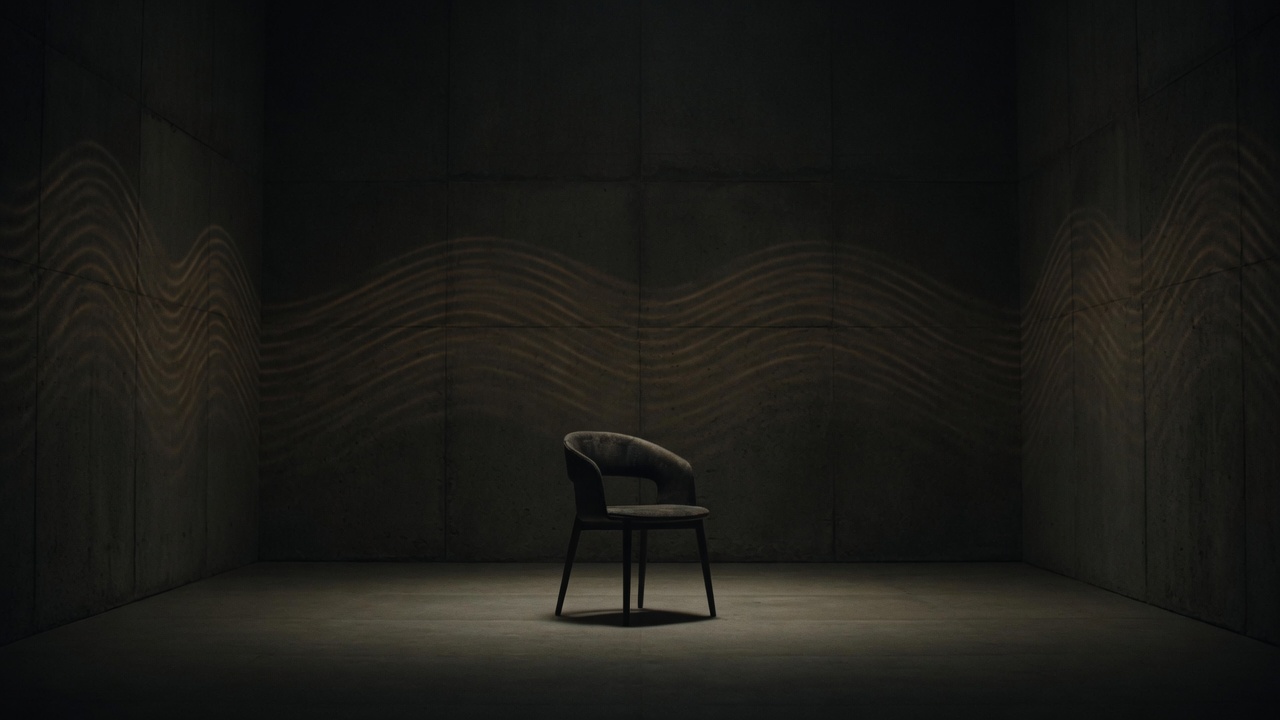
The screening
The picture is filed as Edge of the Known Room.
Scenario
2:57 · 16:9
Mara Elling has mapped rooms until the map reached an edge. The sheet on the table is dense with measured lines, doors, and sills, and then it stops in a clean unfinished border. The border is not torn. It is simply the last ink she trusts. She carries the sheet to the last door she still counts as known. The handle and the threshold are the instruments now, not a farther story. Known stops here. The unlit begins at the gap under the door, a thin dark line that does not flicker. The boards on her side are measured. She can see her own earlier pencil marks faint on the jamb, heights and spans already recorded, nothing left to add on this side.
She sets the sheet on a stool and puts the pencil to the border. The graphite reaches the paper's edge exactly as her boot reaches the sill. Lead and boot arrive together and both stop. There is no more page for the next room. She lifts the pencil. Drawing past the paper would be a lie about knowledge. Opening the door and walking through would spend the edge instead of keeping it. The stool creaks under the sheet and holds. Her free hand finds the handle and rests there, unturned. The metal is cool. She does not press the latch. The dark under the door stays a thin unlit line. No air pushes the sheet. No sound comes from the far side, or if it does it is smaller than the room's own quiet.
The stool holds the sheet without sliding. Mara's boot stays a finger short of the dark line, the sole square to a board she has already numbered in the margin. She hears nothing on the far side that she could convert into a measurement. The handle under her palm warms and she does not mistake warmth for an invitation. Known wood, known light, known paper: she keeps her weight among them while the gap under the door remains a refusal that still keeps a measurable shape.
She leaves the pencil across the last inked mark and stays on the known boards, the map finished by refusal. Time passes as the unfinished border of the paper lifts a hair, a draft from the gap too slight to be a wind, and then lies flat again, the graphite unbroken. The pencil rolls off the last inked mark by its own thickness and stops, still on the known side of the sheet, pointing back into the mapped room rather than off the page. She does not set it straight. Her hand stays on the near handle. Mara's pencil lies just shy of the last inked edge, and the thin dark under the door remains the place the map will not cross.
The pencil stays on the known side of the sheet.
Shooting script
Scene 1. Known room. Day. 2:57. 16:9.
One place. One hour. It stays one scene.
Mara Elling stops a mapped sheet and her boot at the last known door, and the pencil rolls back toward the room.
No dialogue.
Breakdown
Day hour. Map, pencil, and the last door.
Cast. Mara Elling. One adult woman. A boot that stops at the sill. A hand for the handle.
Known room. Boards she has already measured. Day on this side of the door. A stool. A table where the sheet starts.
Map sheet. Dense measured lines, doors, and sills, ending in a clean unfinished border. The border can lift a hair and lie flat again.
Pencil. Graphite that reaches the paper's edge with the boot. Left across the last ink. It rolls by its own width and stops, pointing back into the room.
Door. The last entry she still counts. A cool handle that warms under a palm. An unpressed latch. A thin dark line under the door.
Jamb. Faint earlier pencil marks, heights and spans, with nothing remaining to add on this side.
Shot list
Camera. One scene. 16:9.
Nobody looks into the lens. The sizes below are the decoupage, not the literary script.
1 · 0:00–0:12 · Wide. A known room holds a table, a mapped sheet, and the last entry she still counts.
2 · 0:12–0:25 · Close. The sheet is dense with lines and then stops at a clean unfinished border.
3 · 0:25–0:38 · Medium. Mara Elling carries the sheet from the table to that door.
4 · 0:38–0:50 · Close. Faint pencil marks already cover the jamb with heights and spans.
5 · 0:50–1:02 · Medium. A thin dark line sits under the door and stays unlit.
6 · 1:02–1:15 · Medium. She places the sheet on a seat and puts the graphite to the border.
7 · 1:15–1:28 · Close. Graphite and boot arrive together at the paper edge and the sill, and both stop.
8 · 1:28–1:40 · Medium. She lifts the pencil, and her free hand rests on the cool handle.
9 · 1:40–1:53 · Close. The latch stays unpressed, and the dark under the door keeps its thin shape.
10 · 1:53–2:05 · Macro. Her boot remains a finger short of that dark line.
11 · 2:05–2:18 · Close. The handle warms under her palm while her weight stays on the known boards.
12 · 2:18–2:31 · Medium. She leaves the pencil lying across the last inked mark.
13 · 2:31–2:44 · Close. A slight draft lifts the unfinished border a hair, and the paper lies flat again.
14 · 2:44–2:57 · Macro. The pencil rolls by its own width and stops on the known side, pointing back into the room.
Lookbook
Daylight on the known boards.
Day belongs to the measured side of the room. It falls on the sheet, the stool, the jamb marks, and Mara's boot. The gap under the door is a thin unlit line and gives nothing back. The pencil and the last ink stay in the known light even after the border lifts a hair.
Palette
Known board. #C2A47A. Measured floor on her side
Map paper. #E6DCC4. The sheet and its unfinished border
Graphite. #4A4E52. Pencil lines and the last mark
Door. #5C4636. The last known door
Handle. #8E9390. Cool metal that warms
Dark gap. #1C1E22. The thin unlit line under the door
Stool. #6E543C. Wood under the sheet
Jamb marks. #8A8174. Faint earlier pencil on the frame
Lens
Wide holds the known room up to the door. Medium holds Mara between the stool and the handle. Close and macro hold the border, the pencil, the boot at the sill, and the warming handle. The far side of the door stays unopened.
Costume
A boot that stops at the sill.
Mara Elling is 39. A boot is the only clothing the page names.
The boot reaches the sill with the pencil and stops a digit short of the dark line. The sole stays square to a board already numbered in the margin. That stop is the change: the boot arrives and goes no farther.
No other person is in the room to dress.
Design
A map that ends at a door.
The set is one known room in day, boards already measured, ending at one door. A thin dark gap under the door stays unlit and unflickering. A stool holds the sheet. Earlier pencil marks are already on the jamb.
The sheet is dense and then simply stops in a clean border, not a tear. The pencil must reach that edge, rest across the last ink, and roll by its own thickness back toward the mapped side. A slight draft from the gap can lift the border a hair.
The handle starts cool and warms under a palm. The latch is never pressed. No air is strong enough to push the sheet off the stool.
Makeup and hair
A palm on cool metal.
Mara's face stays with the known side. She listens and finds nothing on the far side large enough to measure. No paint.
One hand holds the pencil and then leaves it. The free hand rests on the handle and feels it warm. She keeps that hand there.
Hair is kept back from the sheet. The page names no style. Skin on the palm takes only the warmth of the metal.
Sound
No score. A stool creak and a pencil roll.
Room quiet. The known side is quiet enough that anything past the door would have to be smaller than that quiet.
Stool. One creak when the sheet is set down. The stool holds.
Boot. A single arrival at the sill. No step beyond it.
Handle. No latch. The metal is silent under the palm.
Draft. Too faint to be a wind. It lifts paper a hair and lets it lie flat.
Pencil. A small roll of its own thickness across the sheet, then a stop.
Far side. Nothing arrives from beyond the door.